For readers of
Edith Wharton, Sarah Waters
Precise, socially exact fiction about institutions, appearances, and the cost of being seen.
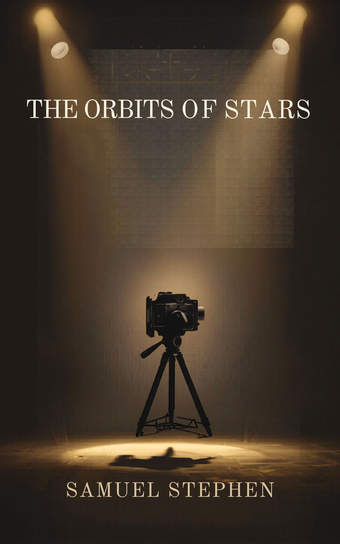
Los Angeles · 1913 · Early Hollywood
The antagonist is not a person. It is administration.
Los Angeles, 1913. The Biograph studio system is inventing an industry as it goes — and inventing, along with it, the machinery that will decide who gets to be seen.
Ellen Reid works the archive, watching and recording. Her sister Florence performs in front of the camera. Between them sits a studio system that processes people the way any institution does: efficiently, impersonally, and with permanent consequences.
Two sisters, one behind the camera and one in front of it, inside an industry that is writing its own rules in real time.
Nobody in 1913 knows they are inventing Hollywood. They know they are hungry, ambitious, and caught inside a system that rewards some kinds of visibility and quietly erases others.
The novel asks what a studio takes from a person in exchange for making them a star — and what happens to the sister whose job is simply to keep the records.
For readers of
Precise, socially exact fiction about institutions, appearances, and the cost of being seen.
The pressure point
The performer or the archivist — whose labour actually survives?
The approach
Not the glamour of early Hollywood first. The paperwork, the contracts, and the quiet administrative decisions that shaped who became a star.